Tirzepatide Online Prescription: Step-by-Step Patient Guide
What Tirzepatide Is and Who Qualifies
Tirzepatide is a once-weekly injectable medication that simultaneously activates two hormone receptors: glucose-dependent insulinotropic polypeptide (GIP) and glucagon-like peptide-1 (GLP-1). This dual mechanism reduces appetite, slows gastric emptying, and improves insulin sensitivity more effectively than single-agonist medications. The FDA has approved tirzepatide under the brand name Mounjaro for type 2 diabetes and Zepbound for chronic weight management.
To qualify for a prescription, most clinical guidelines require a body mass index of 30 or higher, or a BMI of 27 or higher with at least one weight-related condition such as hypertension, sleep apnea, or dyslipidemia. Patients with type 2 diabetes may qualify regardless of BMI when other oral agents have proven insufficient. Absolute contraindications include a personal or family history of medullary thyroid carcinoma, multiple endocrine neoplasia syndrome type 2, and known hypersensitivity to tirzepatide or any formulation component.
How to Access Tirzepatide Online Legally
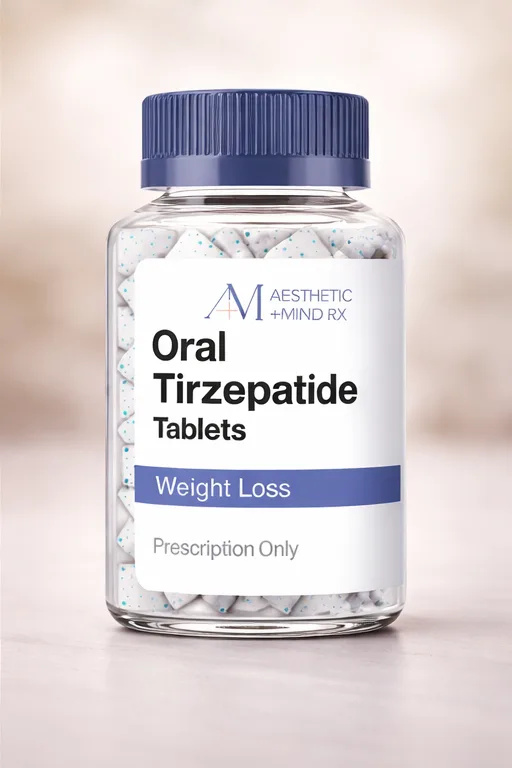
Obtaining tirzepatide online requires a valid prescription issued by a licensed prescriber in your state. Telehealth platforms have made this process far more accessible: you complete a health intake form, provide a current weight and height, upload any relevant lab work, and attend a video or asynchronous consultation with a physician or nurse practitioner. The prescriber reviews your metabolic history, screens for contraindications, and, if appropriate, sends an electronic prescription to a licensed pharmacy or a compounding pharmacy registered with your state board.
When evaluating a tirzepatide online service, verify that the platform requires a real clinical consultation rather than a simple questionnaire checkout. Legitimate providers will ask about personal and family cancer history, current medications, and cardiovascular status. They will also establish a follow-up schedule to monitor blood glucose, heart rate, and gastrointestinal tolerability as you move through the dose escalation protocol.
The Dose Escalation Schedule
Tirzepatide is initiated at 2.5 mg once weekly for the first four weeks solely to improve tolerability. This starting dose has no meaningful therapeutic effect on weight or glycemia; its purpose is to condition the gastrointestinal tract. After four weeks the dose increases to 5 mg weekly, which represents the first clinically active threshold.
- Weeks 1-4: 2.5 mg weekly (tolerability phase)
- Weeks 5-8: 5 mg weekly (first therapeutic dose)
- Weeks 9-12: 7.5 mg weekly if tolerated
- Weeks 13-16: 10 mg weekly if further titration is needed
- Weeks 17-20: 12.5 mg weekly
- Week 21 onward: 15 mg weekly (maximum approved dose)
Many patients achieve their weight-loss goals before reaching the maximum dose. Your prescriber may elect to maintain you at 10 mg or 12.5 mg if side effects are present or if clinical response is adequate. Dose increases should never be accelerated beyond the four-week intervals, as doing so substantially raises the risk of nausea, vomiting, and treatment discontinuation.
Managing Side Effects During Treatment
Gastrointestinal symptoms are the most common adverse effects and are most pronounced during the first two to eight weeks at each new dose level. Nausea affects roughly 20 to 30 percent of patients but is typically mild to moderate and transient. Practical strategies include eating smaller portions, avoiding high-fat or spicy meals on injection day, staying hydrated, and injecting in the evening so peak drug activity occurs during sleep.
Constipation is frequently underreported but affects a significant proportion of patients on GIP/GLP-1 agonists. Increasing dietary fiber, maintaining adequate fluid intake, and using an osmotic laxative when needed resolves most cases. Rare but serious adverse events include acute pancreatitis, gallbladder disease, and tachycardia. Report persistent abdominal pain radiating to the back, yellowing of the skin, or a resting heart rate consistently above 100 beats per minute to your prescriber immediately.
Insurance, Cost, and Compounded Alternatives
Brand-name tirzepatide carries a list price exceeding 1,000 dollars per month without insurance. Commercial insurance coverage for Zepbound has expanded considerably since 2024, and manufacturer savings cards can reduce out-of-pocket costs to as low as 25 dollars per month for eligible commercially insured patients. Medicare and Medicaid coverage remains limited for the obesity indication but is more consistent for the diabetes indication under Mounjaro.
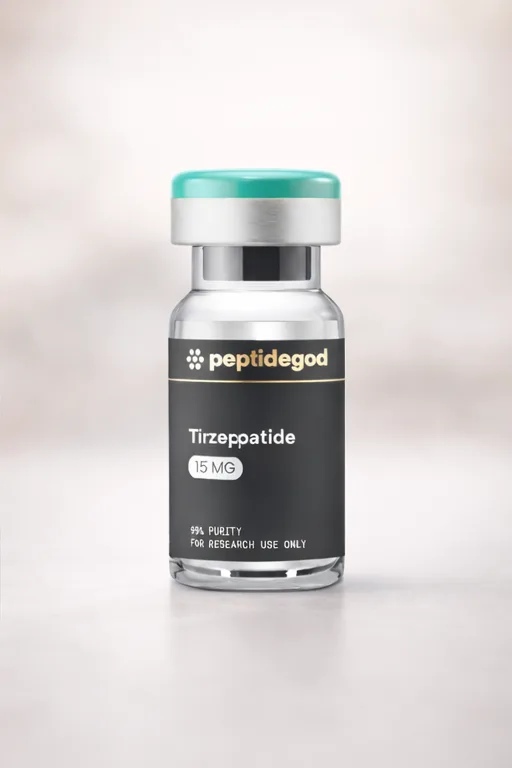
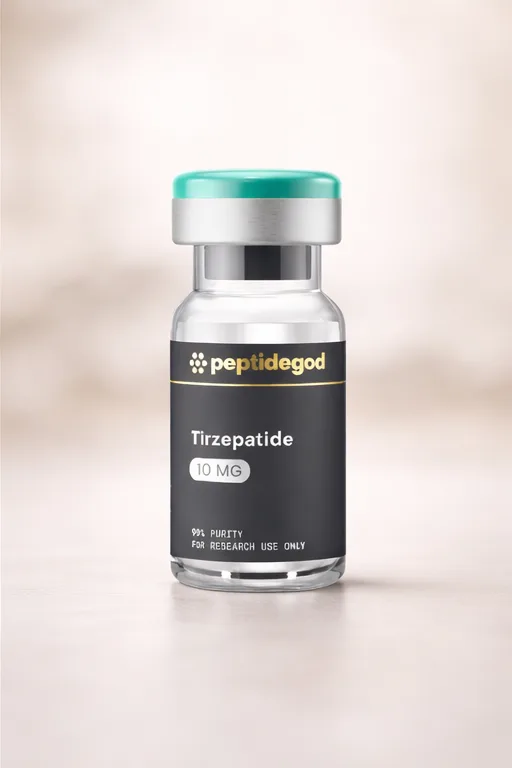
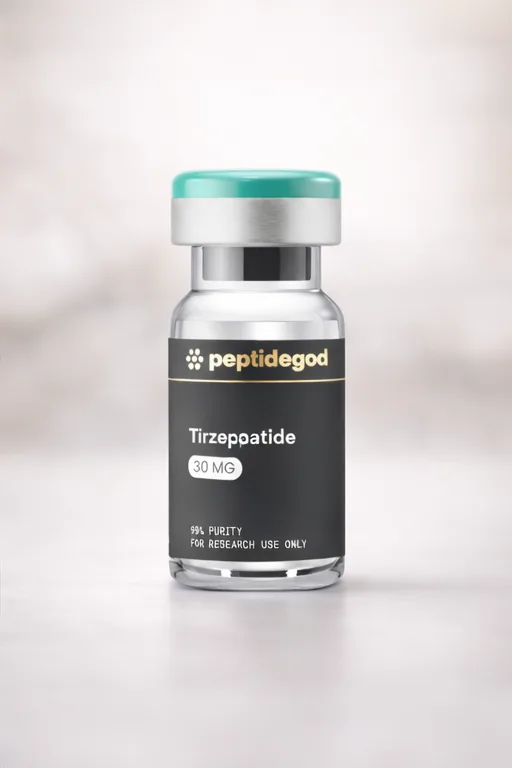
During periods of branded shortage, some patients have accessed compounded tirzepatide through 503A compounding pharmacies. The FDA permitted this practice during the shortage period, but compounded versions are not FDA-approved and may vary in sterility standards and concentration accuracy. If you pursue compounded tirzepatide online, confirm that the pharmacy holds a valid state license, operates under USP 797 sterile compounding standards, and that your prescriber has reviewed the specific formulation. Always verify current FDA guidance, as the regulatory status of compounded tirzepatide changes as shortage designations are updated.